So… This Happened: I Wrote a Book About a Fish and a Shrimp
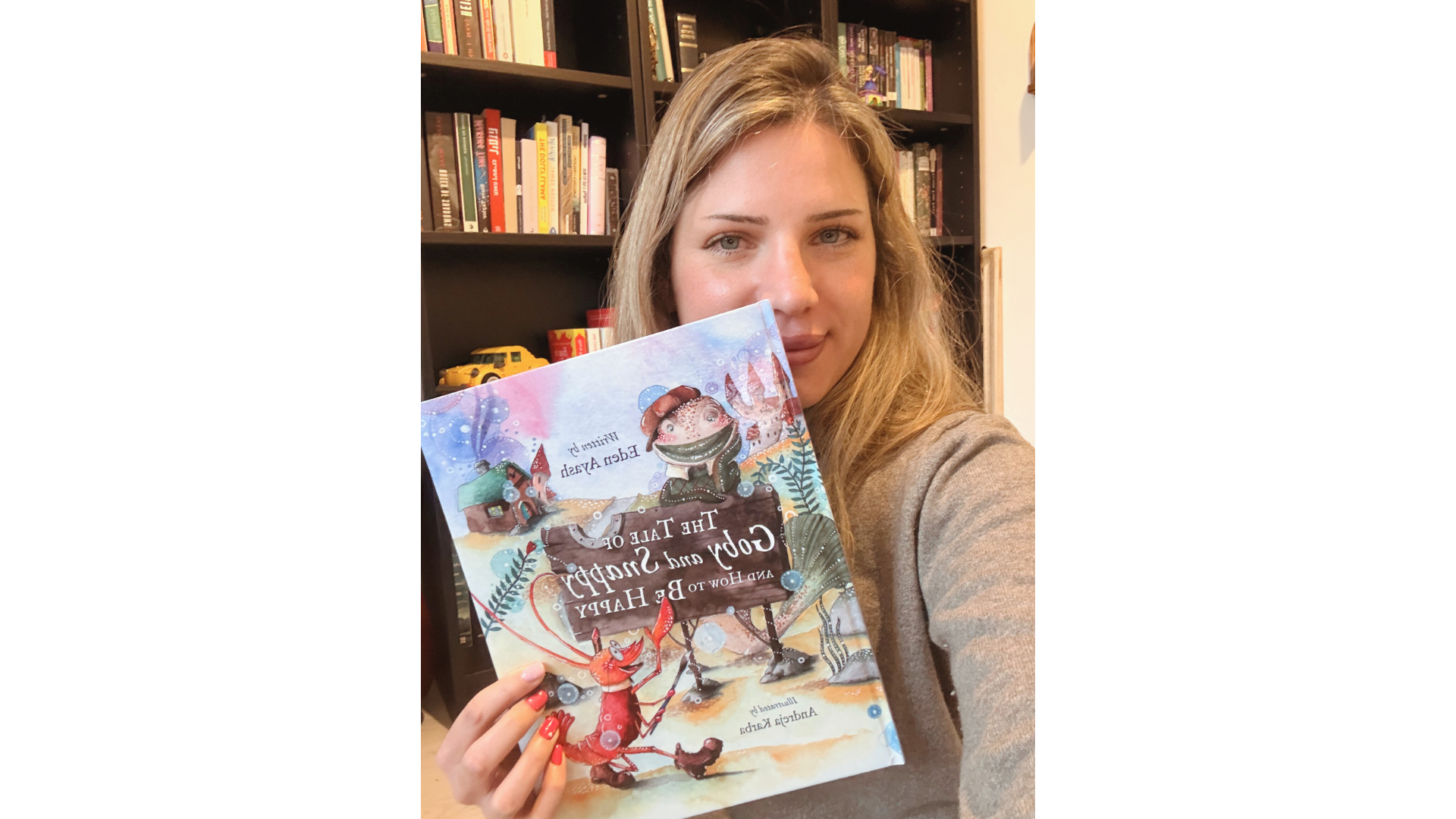
I can’t believe I’m saying this, but here I am, HOLDING MY FIRST PUBLISHED BOOK IN MY HANDS! Such a surreal feeling. The path of an artist (there, I said it, I’m calling myself an artist 😅) is a strange one. At least the path as I experience it, and for me, it goes something like this:
I start a project with excitement like no other, then reach a point where I question everything: the project, my choices, my worth, my identity, and so on. Somehow, I move past it, finish the project, and then, sort of, die — or at least a small part of me does. When I hold the finished project in my hands, I can’t quite believe it. Emotions flood at once. Instead of translating them into joy and pride, I start my detective work and look for every flaw I can imagine. Thinking about others reading it makes me cringe. Part of me wants to hide it somewhere safe so no one will see it, read it, or ask me about it. I tell myself, almost instinctively, “Let’s just ignore this and pretend it never happened.”
When I shared this with my friend (Adina, you’re an angel 💛), she said, “Did you forget how much time and effort you put into this? You should be so proud of yourself!” The genuineness in her tone sold it for me. She was right. I had worked hard to get here. So I decided to do something for myself and write about how this book came to life, to remind myself of the initial excitement, and to truly be proud of myself, regardless of the outcome. So here it goes.
How did it begin:
It was a Friday, the kind where the week still lingers on your shoulders. I was in my pajamas, coffee cooling in my hands, watching one of those slow ocean documentaries I turn to when I need to feel small in the best possible way.
The ocean has that effect on me.
When the world feels loud or urgent, I watch what exists without trying to impress anyone. It reminds me that life has been unfolding long before my worries arrived.
And there they were.
A small goby fish and a snapping (pistol) shrimp.
They lived in the same burrow. The shrimp, nearly blind, dug tirelessly, shaping a home out of sand. The goby stood guard, watchful and alert. One antenna always touched a tail. If danger approached, the goby signaled, and they hid. When safety returned, they carried on as usual, each on their own, always touching and caring for one another. And I remember thinking: how did that begin? How did they find each other? How can it be that from all the creatures under the sea, a shrimp and a fish find each other and work together?
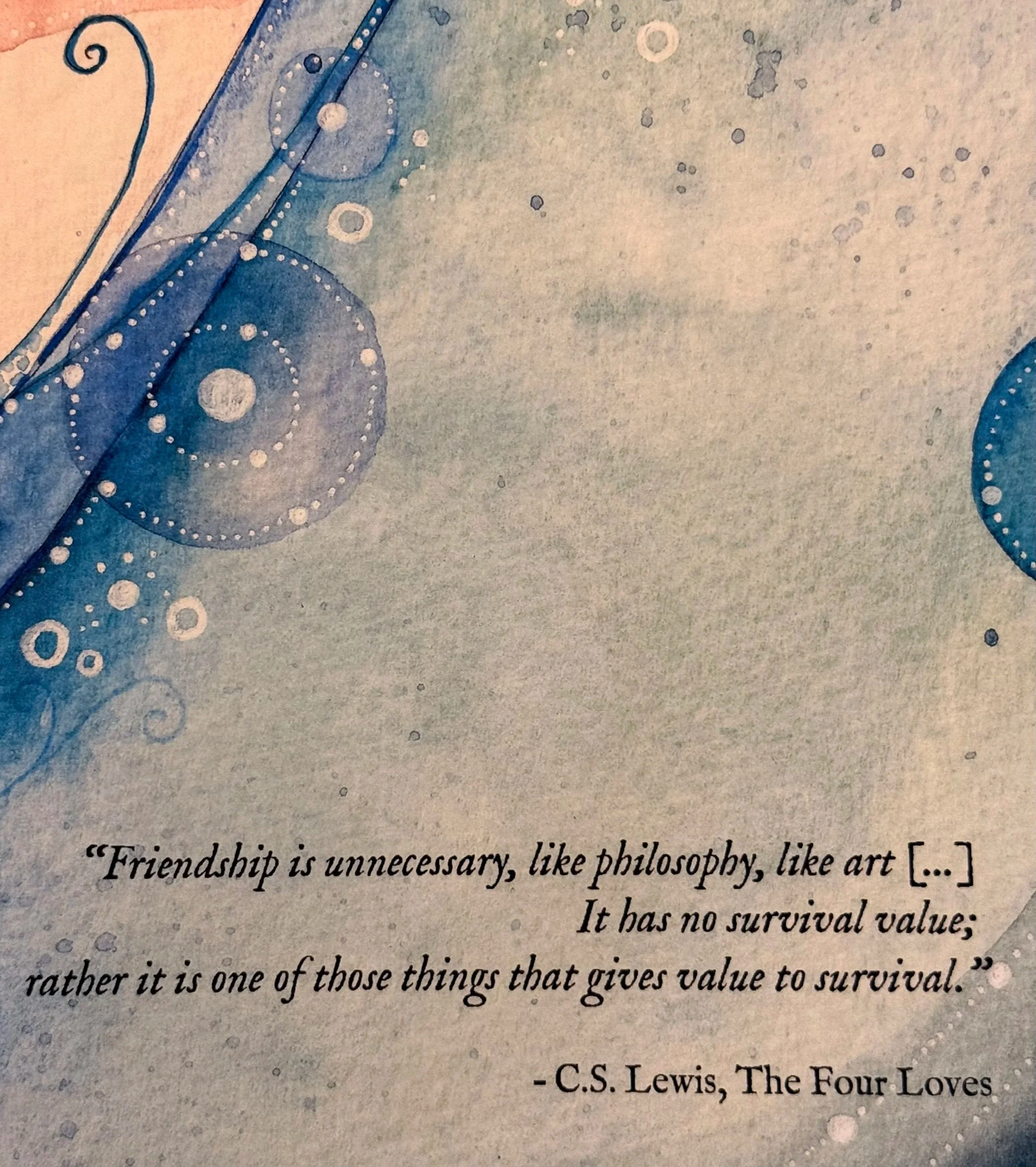
A few years later, my auntie called me, telling me about the same scene, and randomly asked, “Why don’t you write a book about it?” If you know me, you know that I’m far from being the kind of person who confidently believes they can do something. But somehow, that notion felt like it landed on soft, comfortable ground instead of crashing against a shielded wall. Surprisingly, I heard myself say, “What a great idea!”
A few weeks later, we traveled to Tenerife and stayed in a small apartment right in front of the beach. It felt like the only appropriate place to begin telling their story. I opened my laptop and returned to the same question from that Friday morning:
How did they begin?
Why a children’s book?
Growing up as an ultra-Orthodox Jew meant my access to information about the external world was tightly regulated and censored. There is beauty in it, but as a kid, it felt limited, like curiosity had boundaries. There were things you were meant to know, and things you simply… weren’t.
Then I found the local public library.
I learned to look for knowledge sideways. Through stories.
The books I secretly borrowed became my escape and tools for self-education. Through them, I met strangers, cities, ideas, and ways of thinking that didn’t exist in my daily life. I devoured books as if I had nothing else to do because I wanted to understand the world around me. The more I learned, the more I wanted to know. Information felt like a bottomless well. It was insatiable.
Years later, as a teacher, I saw the same thing from the other side. My students had no real reason to care about English. It belonged to exams, not their lives. The more directly I tried to teach it, the less it stayed. But the moment we met inside a story, everything changed. Vocabulary stopped being material to memorize and became a tool to understand someone. They learned because they wanted to get sucked into a different reality, because they wanted to know what happened next. I began to see that children rarely resist learning itself, only learning that feels disconnected from them. And indeed, stories never felt like lessons, yet they changed me more than lessons ever did.
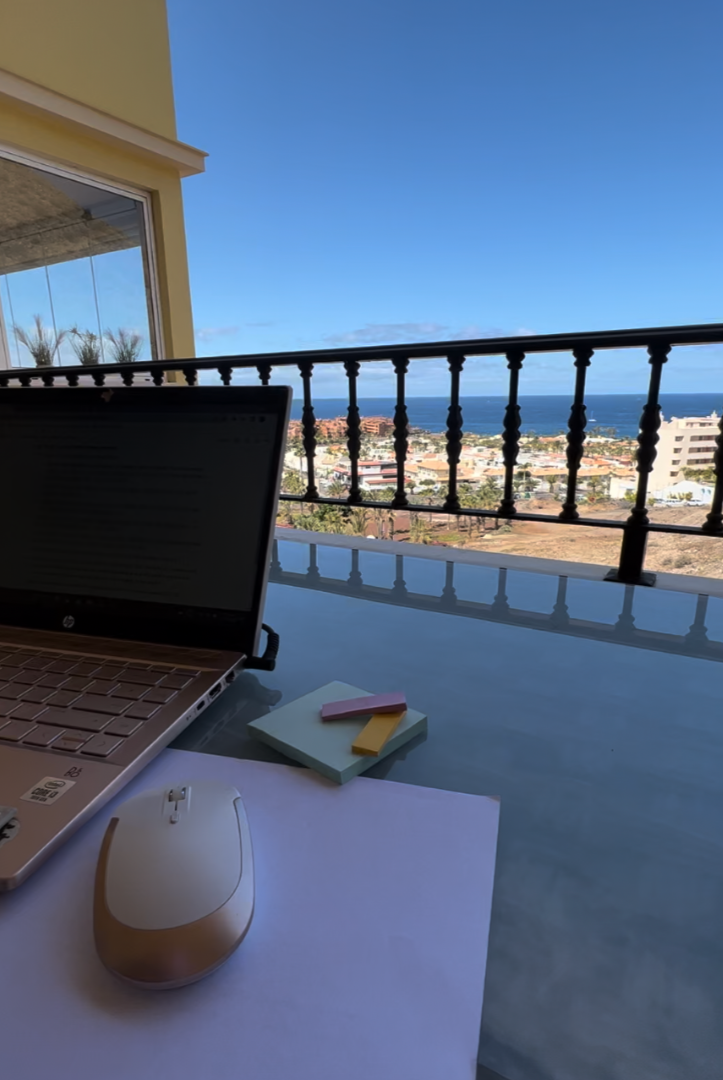
So when I eventually sat down to write The Tale of Goby and Snappy and How to Be Happy, I wasn’t writing a moral lesson. I wanted to write the kind of book that once taught me without asking permission. It is, technically, biology. But what interested me wasn’t the fact itself; it was the meaning a child might feel inside it. I was fascinated by their symbiosis, which, on the surface, might seem transactional. I contemplated whether it could even be called “friendship,” and then realized the beauty of it: giving space for the other to be who they are, without shame or guilt. They can simply be next to each other, and what they naturally are supports the other. Friendship here is a space where differences can exist safely, and together, they experience more of reality.
Goby and Snappy are completely different, yet their differences make their friendship work. I hope that when children read their story, they see diversity as a strength and appreciate what each individual brings, while sparking curiosity about the world around them.
Snappy’s poor eyesight adds an important layer of empathy. His limitation does not make him less capable; it highlights how everyone has strengths that contribute meaningfully to a relationship. This gently introduces children to the idea that a disability does not define value, encouraging patience, understanding, and respect toward others.
I didn’t want to explain this to children. I wanted them to feel it, and perhaps create space to discuss it afterward with someone they love. A child doesn’t need lectures about courage or kindness; they need to stand beside a character who is afraid and care for someone. Noticing a bond like that can reveal something about our own lives. It makes us pause and ask what, in human terms, truly sustains us. Long-term research even suggests that the quality of close relationships shapes our well-being more than almost anything else (see Harvard Study of Adult Development). Happiness comes from meaningful people, the kind you could call at 2:00 a.m. and know they would answer. In an era when friendship is often measured in views, likes, and small hits of dopamine, I wanted to show children (and remind us, adults) the importance of a real one happening right beneath our noses.
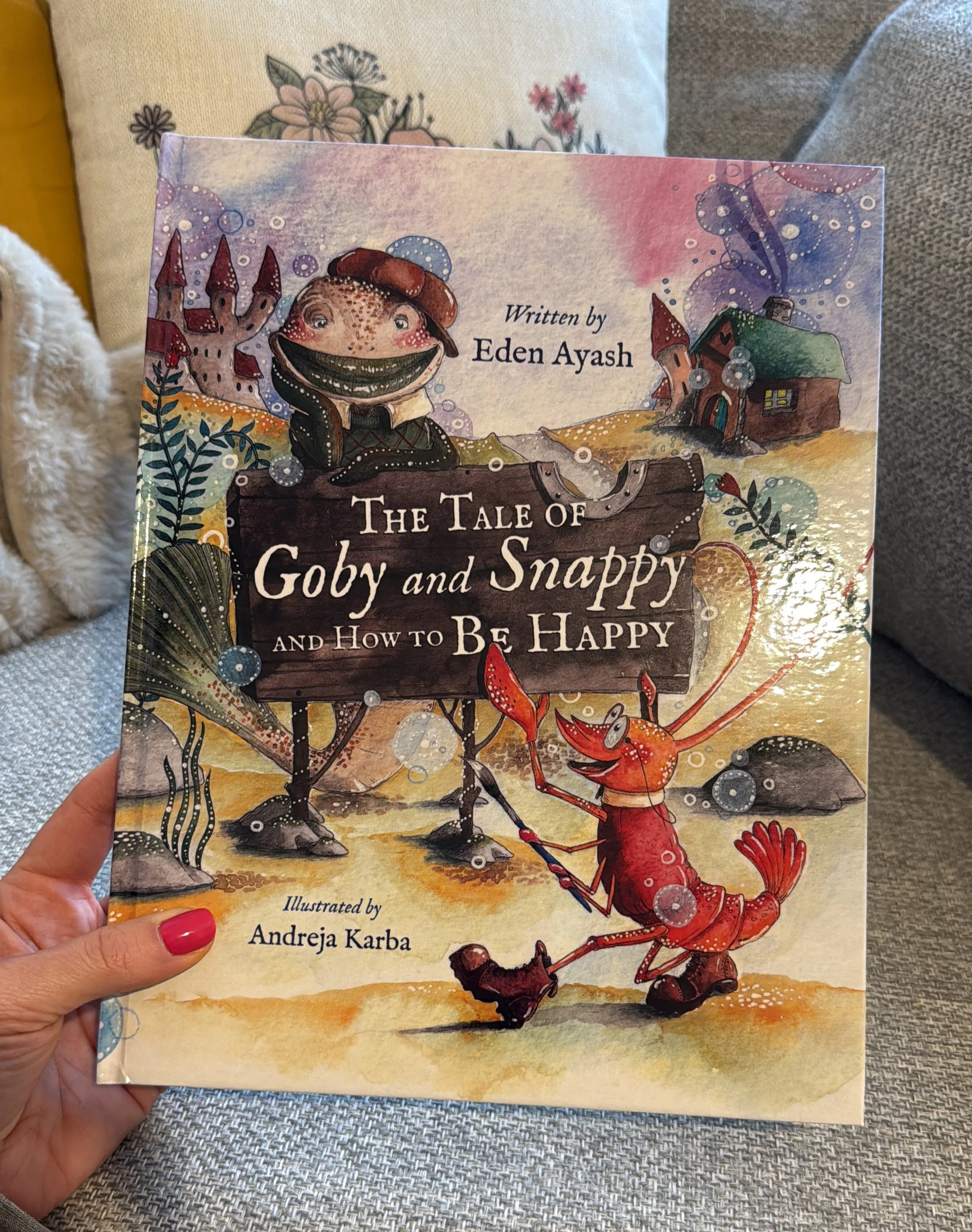
It took years to finalize the text, work with an editor, find the right illustrator, and find a publisher. On discouraging days, I comforted myself by imagining the moment I’d finally hold the book and call myself an author. So, yeah, I’m holding my first published book in my hands, and yes, I’m proud (I might have to tell myself that a few more times to truly believe it🙈😅)!
They’re finally ready to leave my head and meet other people — so if you’d like to meet Goby and Snappy too, you can pre-order the book here.
* The book is a rhymed picture book intended for children ages 4–8.